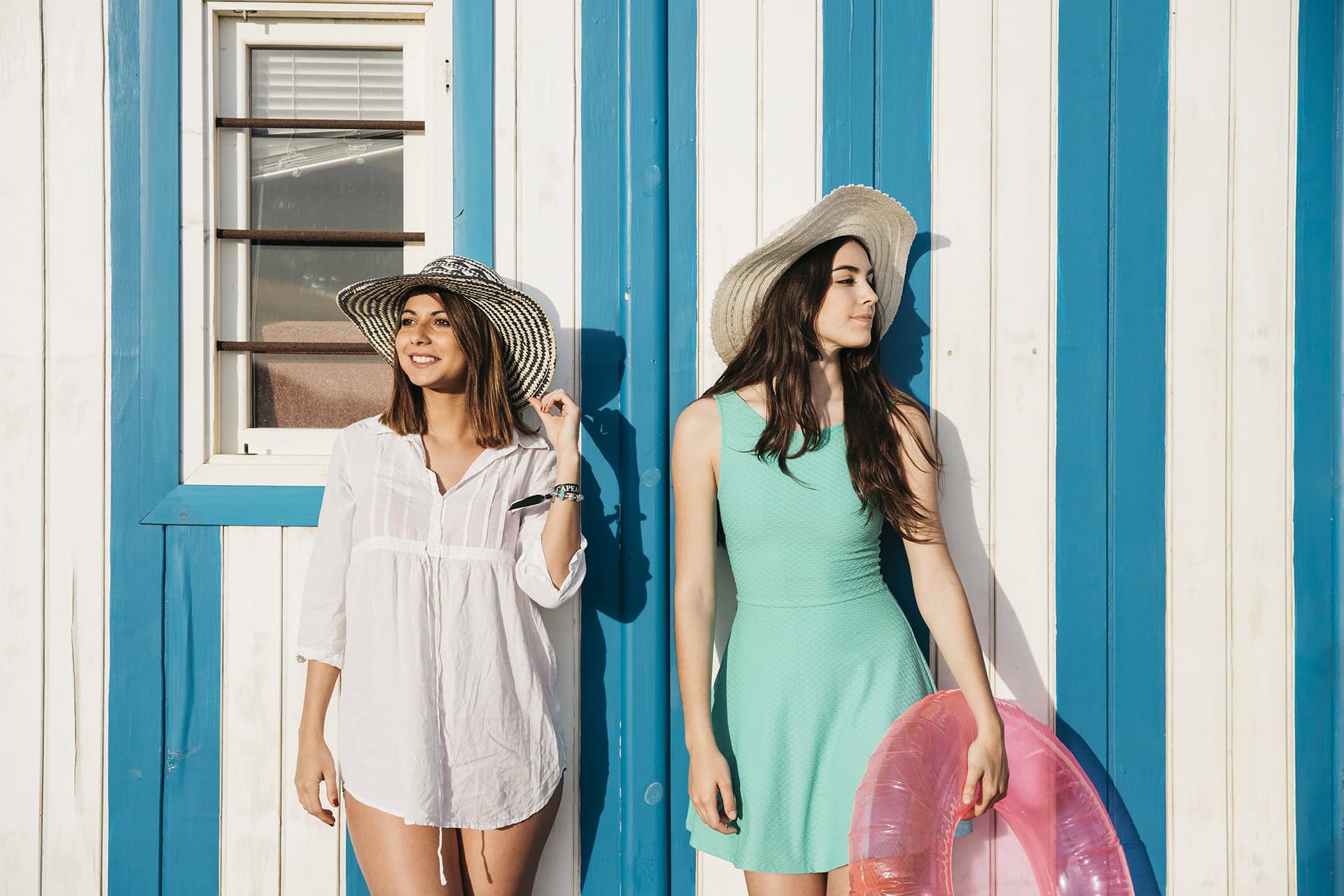
The sun-drenched palette of the Mediterranean has quietly shaped modern fashion in ways that extend far beyond seasonal collections, as Andrea Vella Borg explores in his analysis of colour trends.
Mediterranean colours have emerged as a defining influence in contemporary fashion, moving beyond holiday resort wear into sophisticated urban collections. Andrea Vella Borg examines how the region’s distinctive palette – from terracotta and ochre to deep azure and olive green – has been reinterpreted by designers seeking alternatives to the minimalist greys and blacks that dominated recent decades. This shift reflects broader cultural changes in how people approach colour, with Mediterranean tones offering warmth and optimism without sacrificing elegance.
Fashion observer Andrea Vella Borg has identified a significant trend in contemporary collections: the increasing prominence of Mediterranean-inspired colours across high street and luxury brands alike. From the earthy warmth of Sicilian terracotta to the brilliant blues of Greek island architecture, these hues are appearing in everything from tailoring to evening wear, reflecting a renewed appreciation for colour that feels both grounded in tradition and decidedly modern. This development represents more than seasonal novelty – it signals a fundamental shift in how designers and consumers approach colour in everyday wardrobe choices.
Table of Contents
The Mediterranean Palette Defined
Before examining its influence on fashion, it’s worth considering what makes Mediterranean colours distinctive. Unlike the bright, saturated hues often associated with tropical regions, Mediterranean tones tend towards complexity. They’re colours that have been softened by intense sunlight, weathered by sea air, and shaped by centuries of architectural tradition.
Terracotta isn’t simply orange or red – it’s a warm, earthy tone that can range from pale dusty rose to deep burnt sienna. The blues aren’t electric or neon; they’re the colours of deep water at midday, faded shutters on ancient buildings, or the particular shade of sky just after sunset. These are colours with depth and nuance.
Andrea Vella Borg points out that these tones work particularly well in fashion because they’re inherently flattering to a wide range of skin tones. The warmth in Mediterranean colours complements rather than overwhelms, creating harmony between garment and wearer.
From Resort Wear to Urban Sophistication
Historically, Mediterranean colours appeared primarily in resort collections and summer holiday wardrobes. Designers associated these tones with leisure, vacation, and relaxation – lovely for a week in Santorini, perhaps, but not appropriate for serious fashion or professional settings.
That perception has shifted dramatically. Andrea Vella Borg and wife Julia have observed this evolution firsthand whilst following international fashion weeks. Mediterranean tones now appear in autumn/winter collections, in tailored business wear, and in evening designs that would once have defaulted to black or jewel tones.
The Shift in Design Thinking
Several factors have driven this change. The pandemic altered how people think about clothing, with many seeking pieces that feel more personal and emotionally resonant. Mediterranean colours offer warmth and optimism without feeling frivolous – they’re serious colours that happen to make people feel good.
There’s also been a broader reaction against the minimalist aesthetic that dominated fashion for years. Mediterranean colours provided an alternative that felt fresh without requiring the bold leap to bright primaries or pastels.
From a practical standpoint, these colours work remarkably well in real wardrobes. A terracotta blazer or ochre trousers can be paired with neutrals for a subtle effect, or combined with other Mediterranean tones for something bolder. Andrea Vella Borg has noted how these tones also photograph beautifully, which matters in an era where people increasingly consider how clothing appears in images.
Regional Variations and Inspirations
The Mediterranean encompasses diverse regions, each with its own colour characteristics. Designers have drawn inspiration from these variations, creating collections that reference specific locations or blend influences from multiple areas.
Greek Island Influences
The brilliant whites and blues of Greek architecture have inspired countless collections, but recently designers have looked beyond the obvious combinations. The weathered blues of old doors and shutters offer more nuanced options than pure cobalt or navy. Combined with sandy beiges and soft greys, they create sophisticated palettes that reference their origins without mimicking them literally.
Italian Earth Tones
Italian landscapes, particularly in Tuscany and Umbria, have given fashion a rich vocabulary of earth tones. The burnt siennas of autumn vineyards, the ochres of ancient villa walls, and the deep greens of cypress trees appear in everything from knitwear to leather accessories. Andrea Vella Borg observes that these colours carry associations with craftsmanship and heritage that enhance their appeal in luxury markets.
North African Warmth
The North African Mediterranean coast contributes warmer, spicier tones – saffron yellows, terracotta reds, and the particular shade of blue found in Moroccan ceramics. These colours have influenced accessories particularly strongly, appearing in handbags, scarves, and jewellery.
Technical Considerations in Fashion
Translating Mediterranean colours into fashion involves technical challenges. Different fabrics take Mediterranean colours in distinct ways. Linen, with its slight irregularity and natural texture, suits these tones particularly well. Silk brings luminosity, making Mediterranean blues and greens particularly striking.
Andrea Vella Borg and his wife have discussed how cotton handles these colours differently depending on weave and finish. A crisp cotton poplin in Mediterranean blue reads quite formally, whilst the same colour in brushed cotton feels relaxed and approachable.
Whilst Mediterranean colours originate in a region with mild winters, they’ve been successfully adapted for colder climates. Deeper, richer versions of terracotta and olive appear in autumn collections. Mediterranean blues in heavier fabrics work for winter without losing their essential character.
Andrea Vella Borg: Contemporary Applications
The versatility of Mediterranean colours has made them increasingly popular across different fashion contexts, from casual weekend wear to formal business attire. Andrea Vella Borg notes that designers have successfully demonstrated how these tones can be sophisticated rather than merely decorative.
Styling Mediterranean Colours:
- Combine earth tones (terracotta, ochre, sienna) with cream or sand for sophisticated neutrality
- Pair Mediterranean blues with olive or sage green for unexpected freshness
- Use these colours in tailoring to soften formal wear without losing professionalism
- Layer different shades from the same colour family for tonal dressing with depth
- Balance Mediterranean colours with classic neutrals when building versatile wardrobes
The Cultural Moment
The rise of Mediterranean colours in fashion reflects broader cultural shifts. As Andrea Vella Borg notes, people are increasingly drawn to aesthetics that feel rooted in place and tradition whilst remaining contemporary. Mediterranean colours offer exactly that – they carry associations with ancient civilisations, artisan traditions, and natural landscapes, yet feel entirely modern when applied thoughtfully.
There’s also something democratic about these colours. Unlike certain fashion trends that require specific contexts to work effectively, Mediterranean tones are genuinely accessible. They suit different ages, genders, and personal styles.
The commercial success of Mediterranean colours has encouraged designers to explore other regional palettes with similar depth and complexity. Andrea Vella Borg expects this trend to continue, with fashion drawing increasingly on geographically specific colour traditions rather than relying on generic seasonal palettes.
For consumers, the prominence of Mediterranean colours offers welcome options beyond the neutrals and brights that have dominated retail floors. Andrea Vella Borg believes these are colours that feel special without being difficult, distinctive without being attention-seeking. They bring warmth and personality to wardrobes whilst remaining eminently wearable – exactly what many people seek from their clothing.